4 Ways Paving Contractors Ensure a Long-Lasting Surface
When you invest in a new driveway, parking lot, or private road, you are doing more than just improving the aesthetics of your property. You are making a significant financial investment that should ideally last for decades. However, the difference between a surface that remains smooth for twenty years and one that begins to crumble after five often comes down to the techniques used during the initial installation. Most property owners see only the dark, finished product, but the true strength of a pavement project lies in the layers and preparations that remain hidden beneath the surface. Understanding the methods used to achieve this durability can help you appreciate the value of professional craftsmanship and ensure your project stands the test of time.
Achieving a long-lasting surface requires a deep understanding of soil mechanics, material science, and local climate patterns. In regions with significant temperature fluctuations, the pavement must be flexible enough to expand and contract without cracking. This is where the expertise of professional paving contractors becomes essential. These specialists follow a rigorous set of standards to ensure that every stage of the process, from the first excavation to the final compaction, is executed with precision. By following industry best practices and using high-quality materials, they create a finished product that can withstand heavy traffic and harsh weather conditions while maintaining its structural integrity.
1. Assessing the Site Conditions
Before any equipment is moved onto the property, a thorough assessment of the site is necessary to identify potential challenges. The quality of the soil plays a massive role in how a paved surface will perform over several seasons. If the soil is primarily clay or holds excessive moisture, it may shift or sink, leading to surface irregularities. Professional paving contractors will examine the existing terrain to determine if additional stabilization is needed. This might involve removing unstable topsoil or introducing chemical stabilizers to create a firmer foundation. Without this initial evaluation, even the thickest layer of asphalt would eventually fail due to an unstable base.
Another critical aspect of the site assessment is evaluating the existing drainage patterns of the land. Water is the primary enemy of asphalt and concrete, as it can seep into small crevices and cause erosion from underneath. During the planning phase, experts look for areas where water naturally pools or where runoff from nearby buildings might impact the new surface. By identifying these issues early, the team can plan for specific grading or the installation of catch basins to divert water away from the pavement. Taking the time to understand the unique characteristics of the site ensures that the subsequent layers are built on a predictable and secure environment.
2. Establishing a Proper Grade
Grading is the process of leveling the ground and creating a slight slope to manage the flow of water. A surface that looks perfectly flat to the eye is often a recipe for disaster, as it allows water to sit on the pavement rather than running off to the sides. Paving contractors use specialized equipment like motor graders and laser levels to ensure the ground has a precise pitch. This slope is usually subtle enough that it is not noticeable to someone walking on it, yet it is effective enough to keep the surface dry. Proper grading prevents the formation of puddles, which can cause the asphalt to soften and eventually develop potholes.
In addition to water management, proper grading ensures that the weight of vehicles is distributed evenly across the surface. If the grade is uneven, certain sections of the pavement will experience higher stress levels than others, leading to premature wear and localized cracking. The subgrade must be shaped and smoothed to match the intended final profile of the driveway or parking lot. This stage requires a high level of technical skill, as even a minor miscalculation in the slope can lead to significant drainage issues later on. By perfecting the grade before any materials are laid, the team sets the stage for a balanced and resilient installation.
3. Installing a Stable Sub-Base
The sub-base is arguably the most important component of any paving project because it acts as the structural foundation. This layer usually consists of crushed stone or recycled materials that are engineered to support the weight of the pavement and the vehicles that travel over it. According to BobVila.com, one ton of asphalt can cover around 30 to 80 square feet, depending on the thickness of the application. This statistic highlights that while asphalt provides the driving surface, it relies heavily on the sub-base to provide the necessary volume and support. A thick, well-compacted sub-base prevents the surface from flexing too much under heavy loads, which is a common cause of structural failure.
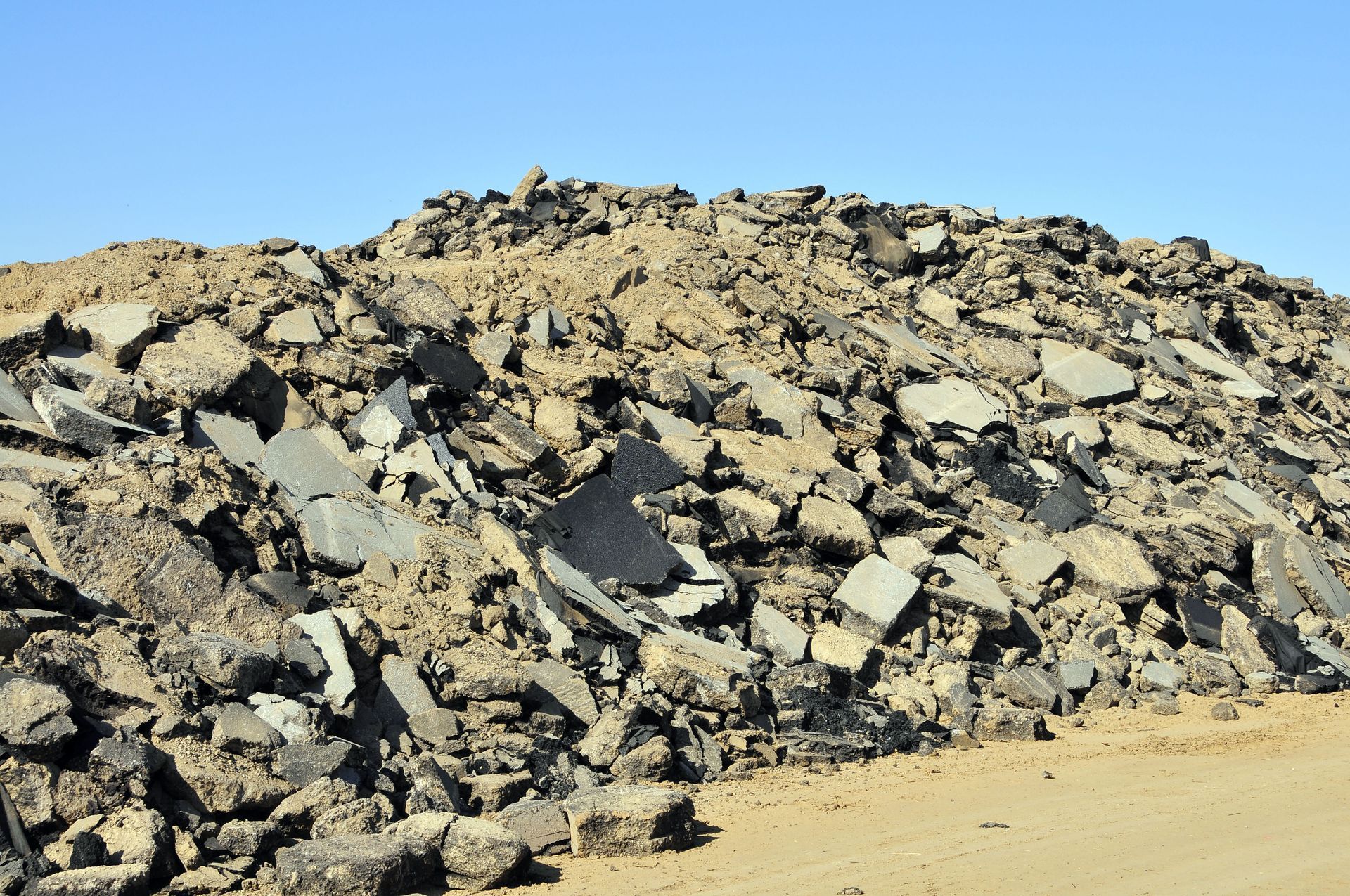
The thickness and composition of the sub-base are determined by the intended use of the surface. For example, a residential driveway may only require a few inches of stone, whereas a commercial parking lot designed for heavy trucks will need a much deeper foundation. Paving contractors must also ensure that the sub-base material is clean and free of organic matter that could rot and create voids over time. Once the material is spread, it must be compacted to a specific density to ensure there is no settling. This layer also acts as a frost blanket in colder climates, providing a buffer that helps prevent the ground from heaving and damaging the asphalt during freeze-thaw cycles.
4. Selecting High Quality Asphalt Mixes
Not all asphalt is created equal, and choosing the right mix is vital for a durable result. Asphalt is a mixture of stone, sand, and liquid asphalt cement, but the proportions can vary depending on the specific needs of the project. A binder layer, which uses larger stones, is often applied first to provide strength and stability. This is followed by a surface or wearing course that uses smaller aggregates to create a smoother, more attractive finish. Professional paving contractors work with local plants to source fresh mixes that are designed for the specific climate and traffic expectations of the area.
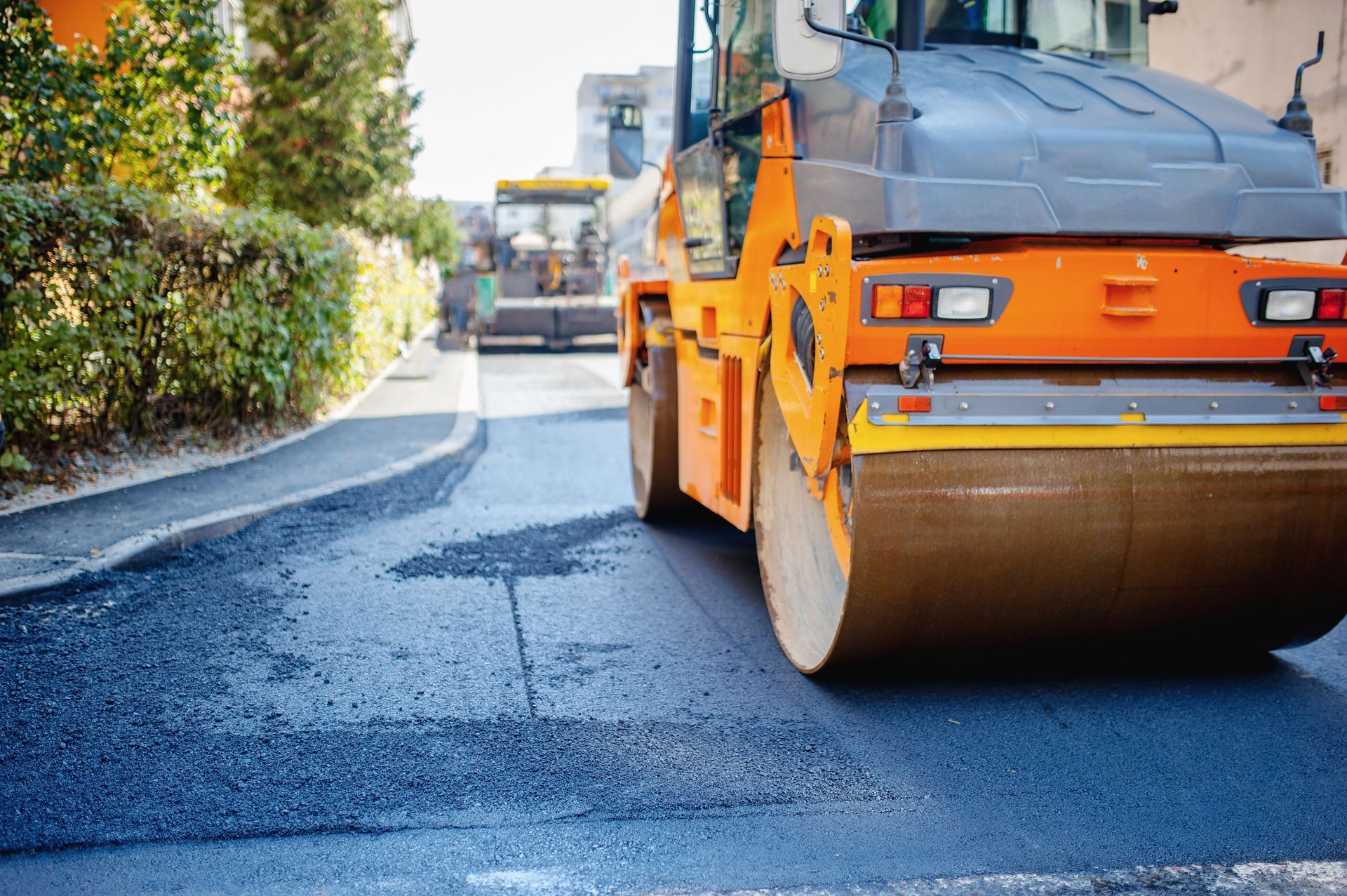
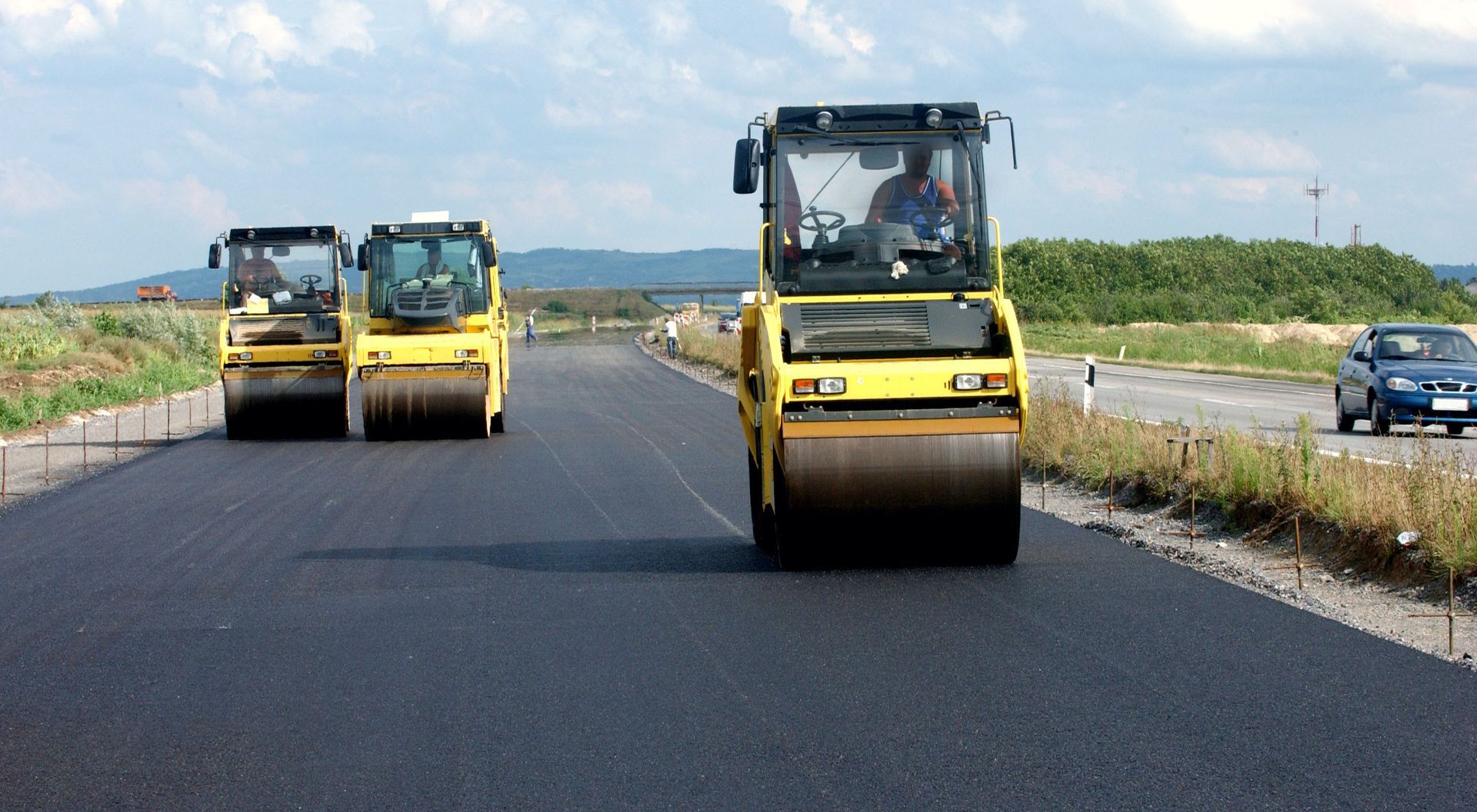
Using the correct temperature during the application process is just as important as the mix itself. If the asphalt is too cold when it is laid, it will not compact properly, leading to a porous surface that is vulnerable to water penetration. Conversely, if it is overheated at the plant, the binding agents can become brittle and lose their flexibility. The crew must coordinate the delivery of the material so that it arrives at the site at the optimal temperature for spreading and rolling. By paying close attention to the chemistry and physics of the asphalt mix, the contractors ensure that the finished surface is both strong enough to hold weight and flexible enough to resist cracking.
By focusing on the critical elements of drainage, sub-base stability, and precise compaction, you can ensure that your investment is protected against the elements and heavy usage. A pavement project is a long-term commitment, and starting with a high standard of construction is the only way to avoid the cycle of frequent repairs and early replacements. If you are ready to begin your next project with a team that understands the science behind a durable surface, it is time to reach out to the experts. If you need reliable paving contractors for your next driveway or parking lot, contact Ohio Asphalt Paving.


Share On: