Asphalt Driveway Installation: What to Expect
Installing a new driveway represents a major home improvement project that enhances both functionality and curb appeal. Homeowners often feel uncertain about what happens during the actual construction process, which can lead to hesitation. Knowing the step-by-step procedure removes mystery and helps you prepare your property for the upcoming physical transformation.
Working with an experienced paving contractor ensures that every stage of construction moves forward smoothly and efficiently. From initial site evaluation to final compaction, each task requires specialized machinery, technical expertise, and careful attention to detail.
Proper preparation begins long before heavy equipment arrives at your property. Clear communication between you and your chosen installation team helps establish realistic expectations regarding project timelines, equipment staging, and daily access. By familiarizing yourself with standard industry procedures, you can ensure your property remains safe and accessible throughout active construction.
Evaluating the Site And Preparing The Base
Constructing a durable surface begins with a comprehensive evaluation of existing ground conditions. Crew members assess soil stability, existing vegetation, and natural drainage patterns to identify potential subgrade weaknesses. Proper slope grading prevents future water pooling, which remains one of the primary causes of early surface deterioration and subbase failure.
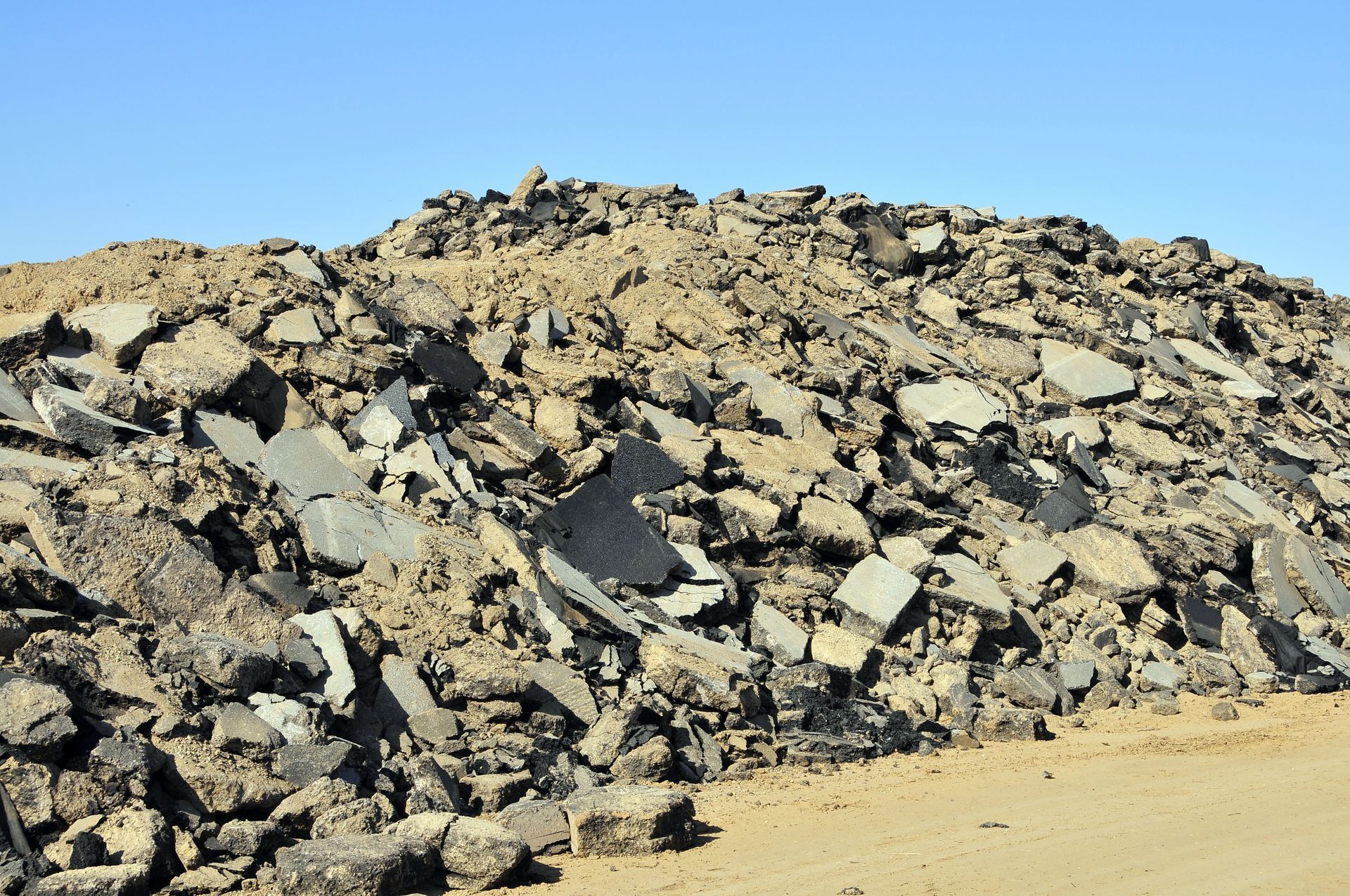
Heavy machinery excavates old surface materials and removes invasive tree roots, large rocks, and organic topsoil debris. Creating a clean, stable foundation requires digging down several inches into the subsoil layer. Without complete removal of unstable earth and soft organic matter, newly laid asphalt quickly develops cracks, deep depressions, and uneven settling over time.
Once excavation finishes completely, your chosen paving contractor installs a robust crushed aggregate base layer. Workers distribute crushed stone evenly across the excavated surface before compacting it thoroughly with heavy vibrating rollers.
Establishing a solid base remains a critical step in the entire installation workflow. Skimping on aggregate thickness or failing to achieve proper compaction density compromises structural integrity over time. Experienced installation crews dedicate time to verifying base firmness and aggregate depth across every square yard before proceeding.
Applying the Hot Mix Materials
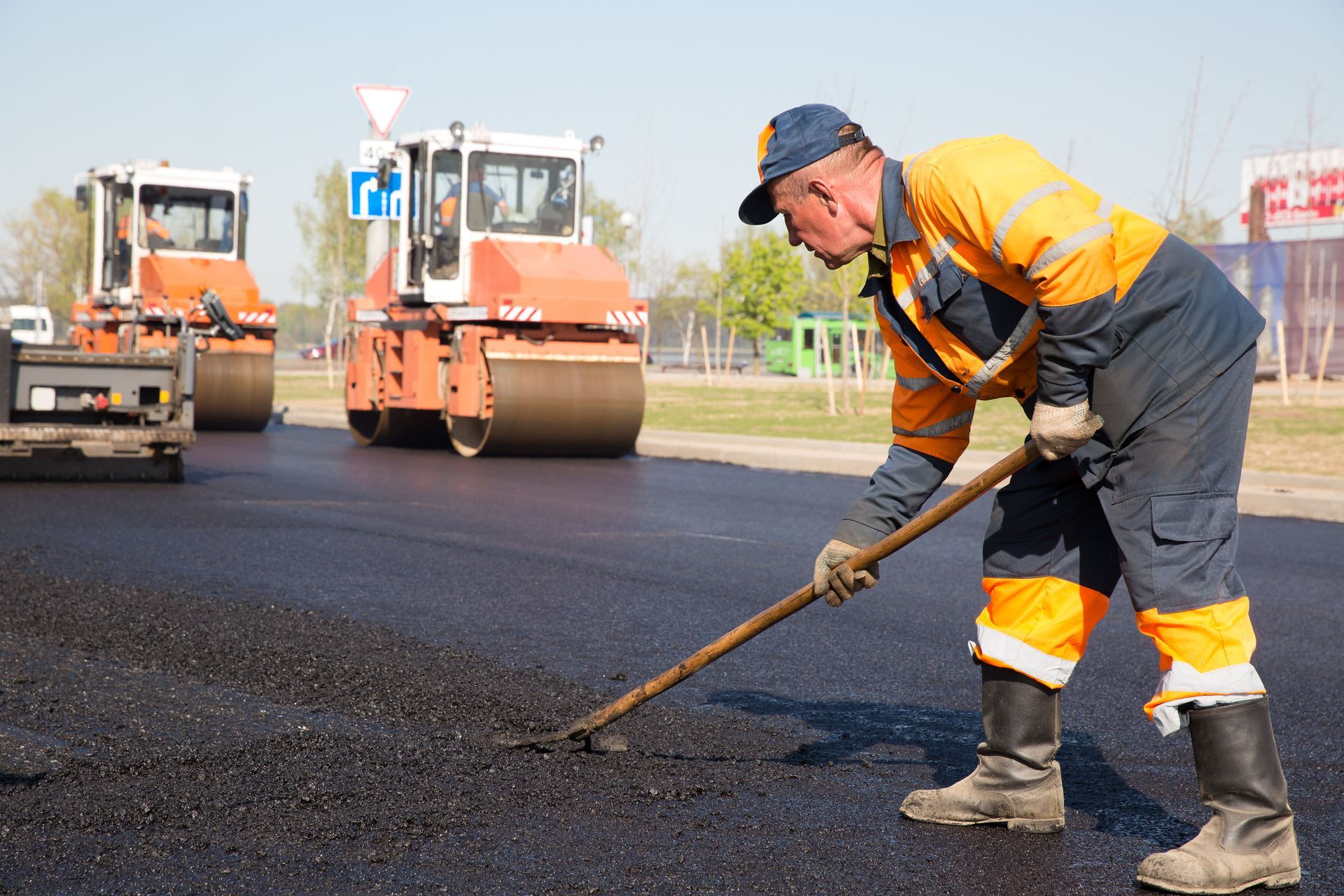
Transporting hot asphalt requires specialized trucks designed to maintain extremely high temperatures during transit. Upon arrival at your job site, crew members feed the steaming material into a mechanical paver, which distributes the rich mixture evenly across the prepared stone base.
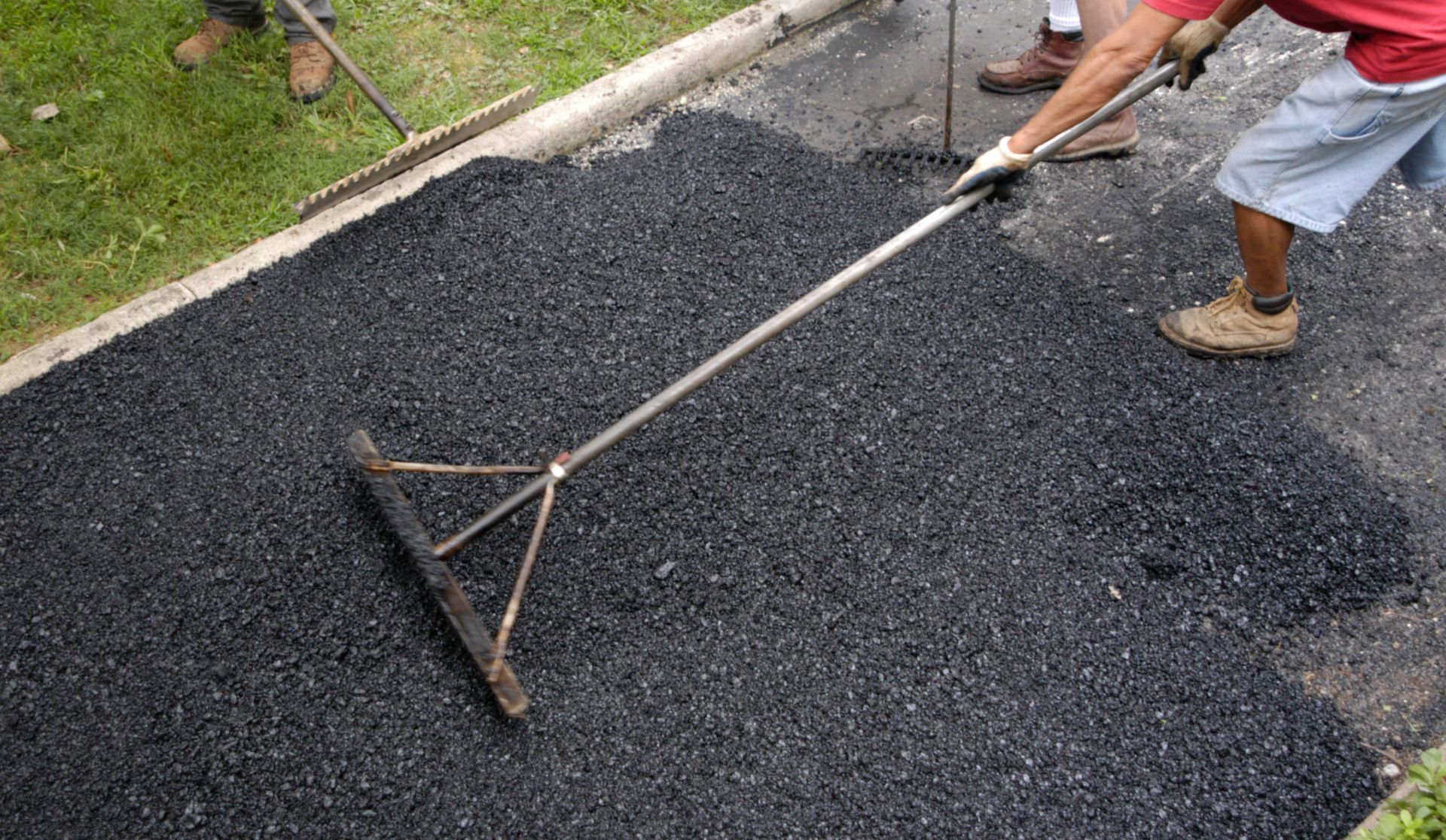
Skilled workers manually rake edges and navigate tight corners around concrete walkways, garage aprons, decorative stone borders, and landscaping features. Precision hand raking ensures uniform thickness across the entire width while creating seamless transitions into existing concrete structures.
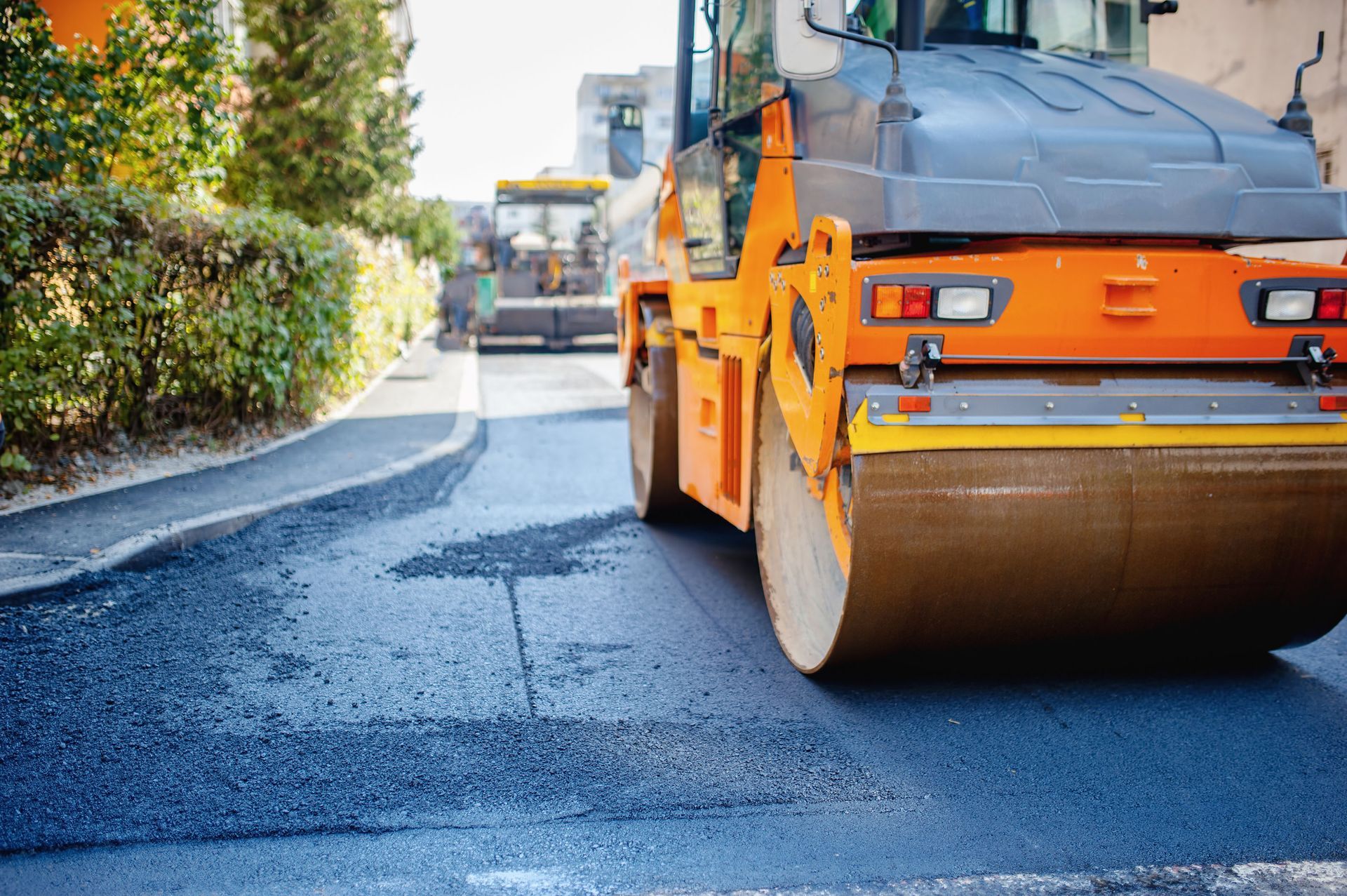
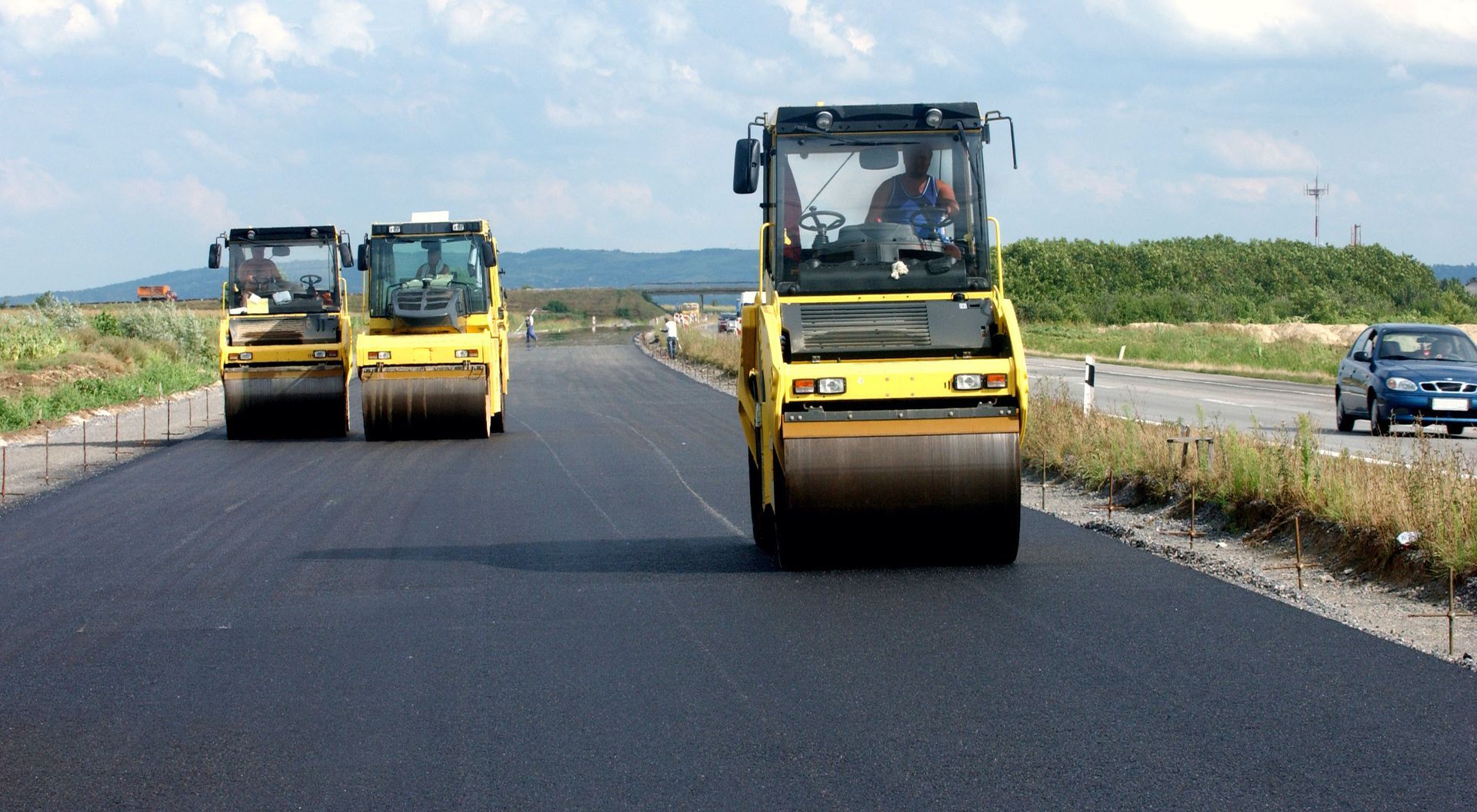
Immediately following material distribution, heavy machine operators drive large vibrating rollers over the freshly laid surface. Compaction removes internal air pockets, binds stone aggregates closely together, and locks the entire matrix in place.
Professional installers monitor ambient temperatures closely throughout the material application process. Cold air or strong winds can cause hot mixtures to lose temperature rapidly, making proper compaction challenging. Coordinating delivery schedules, weather conditions, and application speeds requires team coordination and practical field expertise.
Managing Drainage and Surface Elevation
Directing rainfall away from your home foundation remains a top priority during custom surface construction. Installation specialists establish precise slope angles to guide runoff toward designated drainage areas, roadside gutters, or specialized catch basins. Poor slope management inevitably leads to standing water puddles, surface erosion, water seepage into basements, and structural foundation damage over time.
Connecting the new surface smoothly to your garage entrance, concrete walkways, and nearby roadways requires careful elevation adjustment. Workers create gentle transitions that eliminate sudden bumps, protecting vehicle tires and snow removal equipment from impact damage.
A qualified paving contractor constantly checks surface pitch using physical leveling tools and digital instruments throughout material placement. Verifying proper angles during material application prevents costly corrections after roller compaction finishes. Precise pitch adjustments ensure that stormwater flows away efficiently, preserving the integrity of surrounding lawn areas, garden beds, and home foundations.
Water represents a significant threat to external paving longevity over time. When water collects on pavement surfaces, it gradually penetrates microscopic pores, weakening underlying binders and eroding aggregate bases. Ensuring proper pitch alignment during construction provides effective protection against premature surface breakdown and costly future repairs.
Curing the Surface for Long-Term Durability
Freshly rolled asphalt appears dark, smooth, and ready for immediate use, but deep internal setting actually takes considerable time. While you can typically drive light passenger vehicles onto the fresh surface after several days, full structural hardening requires extended patience. Avoiding heavy commercial trucks and sharp power-steering turns during early usage prevents surface scuffing and tire ruts.
Environmental conditions heavily influence how quickly internal petroleum binders stabilize within the newly laid mix. Intense summer heat keeps petroleum materials flexible longer, requiring extra caution when parking personal vehicles or setting down sharp heavy objects.
Understanding overall timeline expectations helps conscientious homeowners protect their investment during initial usage phases. According to Today's Homeowner, asphalt driveways take around six months to fully cure and achieve their maximum hardness.
Seasonal timing impacts initial curing behavior across different regions. Pavement installed during hot summer months remains flexible longer than pavement installed during mild spring or cool autumn seasons. Understanding how temperature affects your specific driveway helps you adjust daily driving habits and parking routines during the critical curing period.
Maintaining Proper Usage Habits Early On
Protecting your new surface during its initial season ensures long-term performance, structural integrity, and aesthetic appeal. Parking household vehicles in slightly different spots each day prevents deep tire ruts from forming in fresh material. Avoiding sharp power-steering turns while standing still reduces surface friction marks, scuffs, and material displacement on hot days.
Refraining from placing concentrated weight on small surface areas prevents deep punctures during warm weather conditions. Items such as motorcycle kickstands, bicycle kickstands, utility trailer jacks, and high-heeled shoes can press into flexible surfaces. Placing small flat wooden boards beneath heavy jacks distributes weight evenly, keeping the fresh surface flat and smooth.
Hiring a reliable paving contractor means receiving personalized guidance on post-installation care tailored to your specific local environment. Following professional advice regarding vehicle weight limits and prompt chemical spill cleanups prevents surface damage. Diligent early care significantly extends overall surface lifespan and maintains a pristine dark appearance for years.
Chemical spills, particularly motor oil, gasoline, and diesel fuel, act as natural solvents that rapidly dissolve petroleum asphalt binders. If fluid leaks occur on fresh pavement, prompt cleanup using absorbent sand or specialized cleaners prevents deep binder degradation. Establishing attentive maintenance habits right from day one safeguards your driveway against preventable chemical damage.
Implementing Long-Term Surface Care Practices
Routine preventive maintenance preserves structural integrity and keeps your residential entryway looking fresh for decades. Inspecting your surface periodically for minor cracks allows you to fill and seal small gaps before moisture penetrates down into the subgrade. Preventing water intrusion remains the most effective defense against winter freeze-thaw damage, subbase erosion, and frost heaves.
Applying a protective sealcoat after full curing shields underlying materials from harmful ultraviolet solar rays and automotive fluid spills. Protective coatings restore dark color aesthetics while creating a liquid-resistant barrier over exposed aggregate stone surfaces.
Partnering with a professional paving contractor simplifies long-term maintenance planning and routine surface sealcoating. Professionals utilize commercial-grade sealant products and specialized application techniques that ensure uniform coverage across every square foot.
When you choose experienced local installation specialists, you gain peace of mind knowing your project meets rigorous industry standards. Homeowners ready to transform their home entryway with dependable workmanship can contact Ohio Asphalt Paving today to schedule a comprehensive consultation.


Share On: